From Electronic Engineering to Full-Stack Development
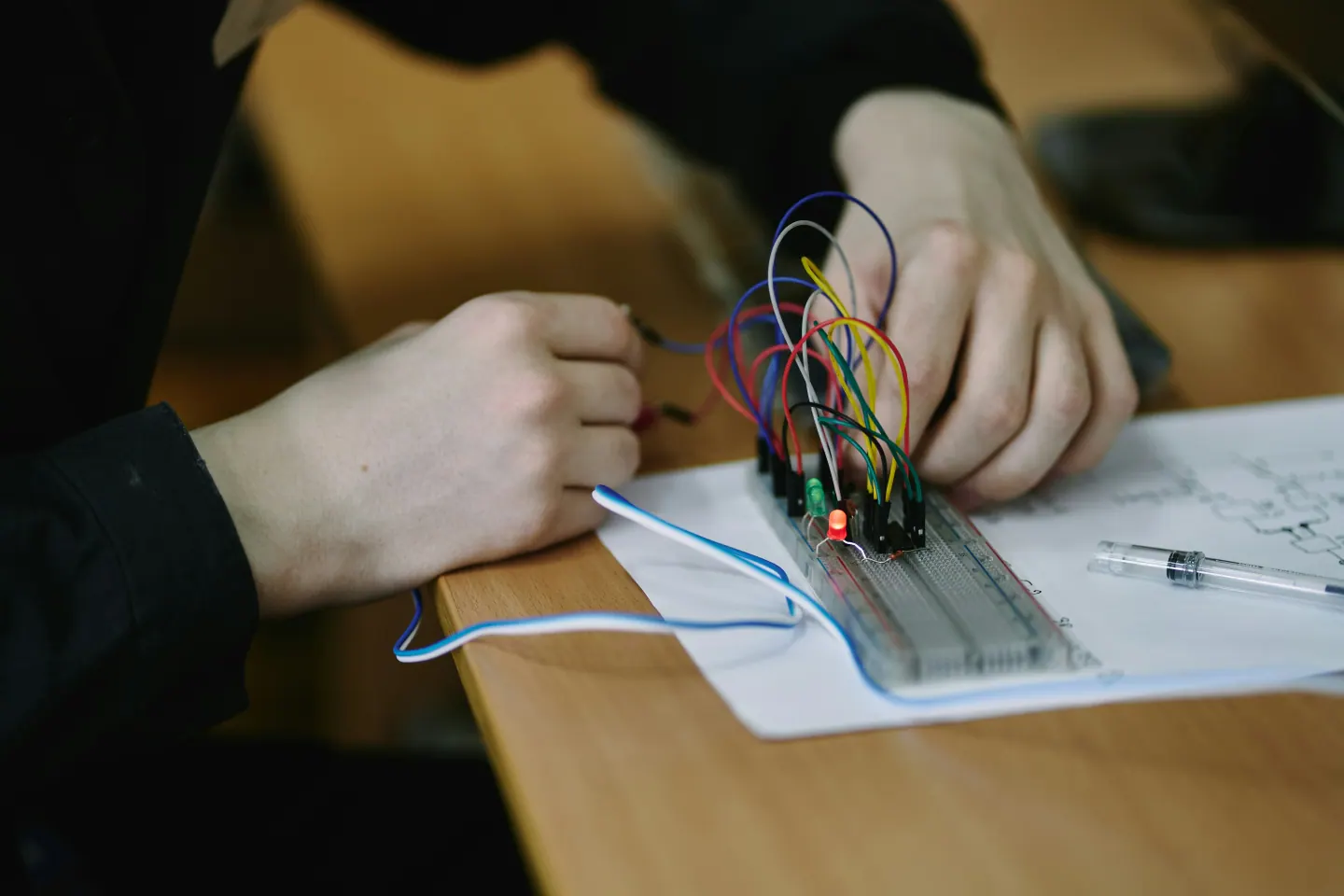
The Engineering Foundation
My journey began at the University of Pretoria, where I studied Electronic Engineering. The rigorous training in mathematics, physics, and systems thinking provided an excellent foundation for software development.
Key Transferable Skills
Several skills from electronic engineering translate directly to software development:
Systems Thinking
In electronics, you learn to think about systems holistically—how components interact, signal flow, and system stability. This directly applies to software architecture, where you must understand how different modules interact and how data flows through your application.
Problem Decomposition
Complex electronic systems are broken down into smaller, manageable subsystems. Similarly, in software development, breaking down complex problems into smaller, testable components is crucial for success.
Debugging Methodology
Debugging electronic circuits requires systematic thinking and methodical testing. These same skills are invaluable when debugging software issues.
The Transition Challenges
While many skills transferred well, there were unique challenges in moving to software development:
- Abstract vs Physical: Moving from tangible hardware to abstract software concepts
- Rapid Change: Software technologies evolve much faster than hardware standards
- User Experience: Learning to think from a user’s perspective, not just technical functionality
Finding My Niche: IoT Development
The perfect intersection of my skills became apparent in IoT development, where hardware and software meet. This field allows me to leverage both my electronic engineering background and software development skills.
Advice for Engineers Making the Transition
If you’re an engineer considering a move to software development:
- Leverage Your Strengths: Your analytical and problem-solving skills are huge advantages
- Start with Familiar Domains: Look for software roles in industries you understand
- Embrace Continuous Learning: Software development requires constant skill updates
- Build Projects: Create portfolio projects that showcase your unique perspective
Conclusion
The transition from electronic engineering to software development has been incredibly rewarding. The combination of hardware understanding and software skills opens up unique opportunities in our increasingly connected world.